


After The Hunt - Julia Roberts Shines In A Philosophical Examination of Generational Morality

After the Hunt is a rich, philosophical exploration of generational divides, brought vividly to life by a stellar cast. It’s a dialogue-driven film, a “people talking” movie, that engages the audience through sharp, witty writing that leaves breadcrumb trails along the way. These trails occasionally mislead, intentionally so, mirroring the confusion, guilt, and defensiveness that can surface when each generation is confronted with devastating accusations before all the facts are known.
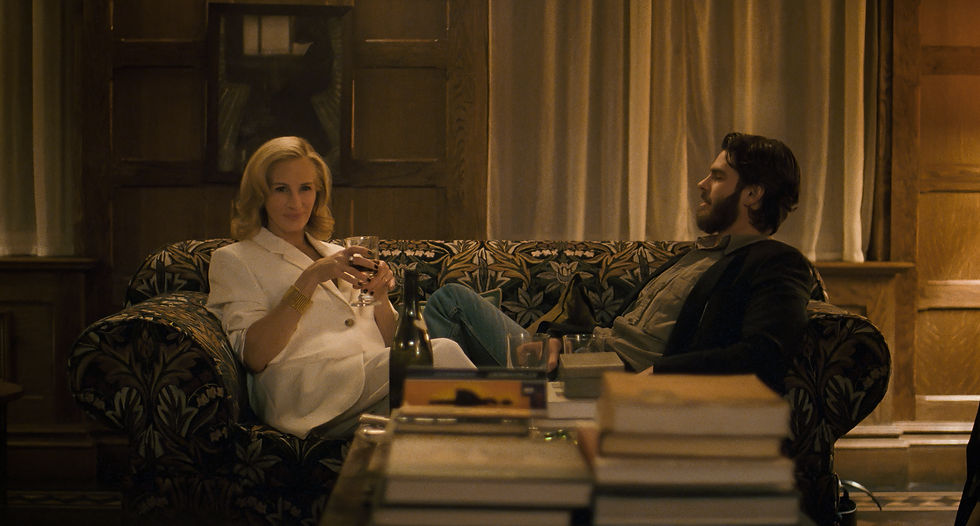
The cast neatly embodies the spectrum of modern viewpoints: Julia Roberts as Alma, representing the Boomer generation; Andrew Garfield as Hank, the conflicted Millennial; and Ayo Edebiri as Maggie, the calculating yet vulnerable voice of Gen Z. The dialogue feels authentic to its Ivy League setting, intellectual but not alienating, capturing how Yale professors might debate among themselves and with their students. From its opening scene, After the Hunt establishes a tone of quiet tension through deliberate dialogue and precise camerawork, signalling that this is not a thriller or a melodrama, but a cerebral character study that rewards patience and attention.

Roberts, Garfield, and Edebiri all deliver exceptional performances, but Roberts reaffirms her status as a true movie star. As Alma, a Yale professor on the verge of tenure and a symbol of feminist integrity, she serves as the audience’s compass; measured, empathetic, and torn between loyalty to her colleagues, her students, and her own moral code. Garfield brings nuance to Hank, a philosophy professor whose “typical white cis male” persona is undercut by flashes of guilt, resentment, and vulnerability. Edebiri is magnetic as Maggie, toeing the line between innocence and manipulation, keeping both Alma and the audience questioning what’s truth and what’s motivated by opportunity.

A standout supporting performance comes from Michael Stuhlbarg as Frederick, Alma’s husband. As a psychologist and the film’s moral center, Stuhlbarg injects levity into an otherwise tense narrative. His marriage with Alma feels lived-in and refreshingly real, not an idealized “white picket fence” partnership, but one that reflects compromise, endurance, and the messy beauty of long-term commitment. Their dynamic offers one of the most authentic portrayals of an unconventional marriage that hasn't been shown on screen in quite sometime.

Ultimately, After the Hunt uses a campus controversy as a lens to examine how Boomers, Millennials, and Gen Z navigate truth, morality, and responsibility. The script may strike some as self-serious or overly academic, but for viewers open to intellectual engagement, it offers a rare and necessary conversation. In an era when cinema often prioritizes spectacle and trendiness over substance, After the Hunt dares to slow down; to think, to listen, and to challenge. It reminds us that bridging generational divides begins not with shouting across them, but with sitting in the discomfort of dialogue.


Comments